
Reverse osmosis
Osmotic filtration is the most thorough method of purifying water in the home. Reverse osmosis removes the finest contaminants and even bacteria and viruses from the water. The compact units are usually installed under the kitchen sink.
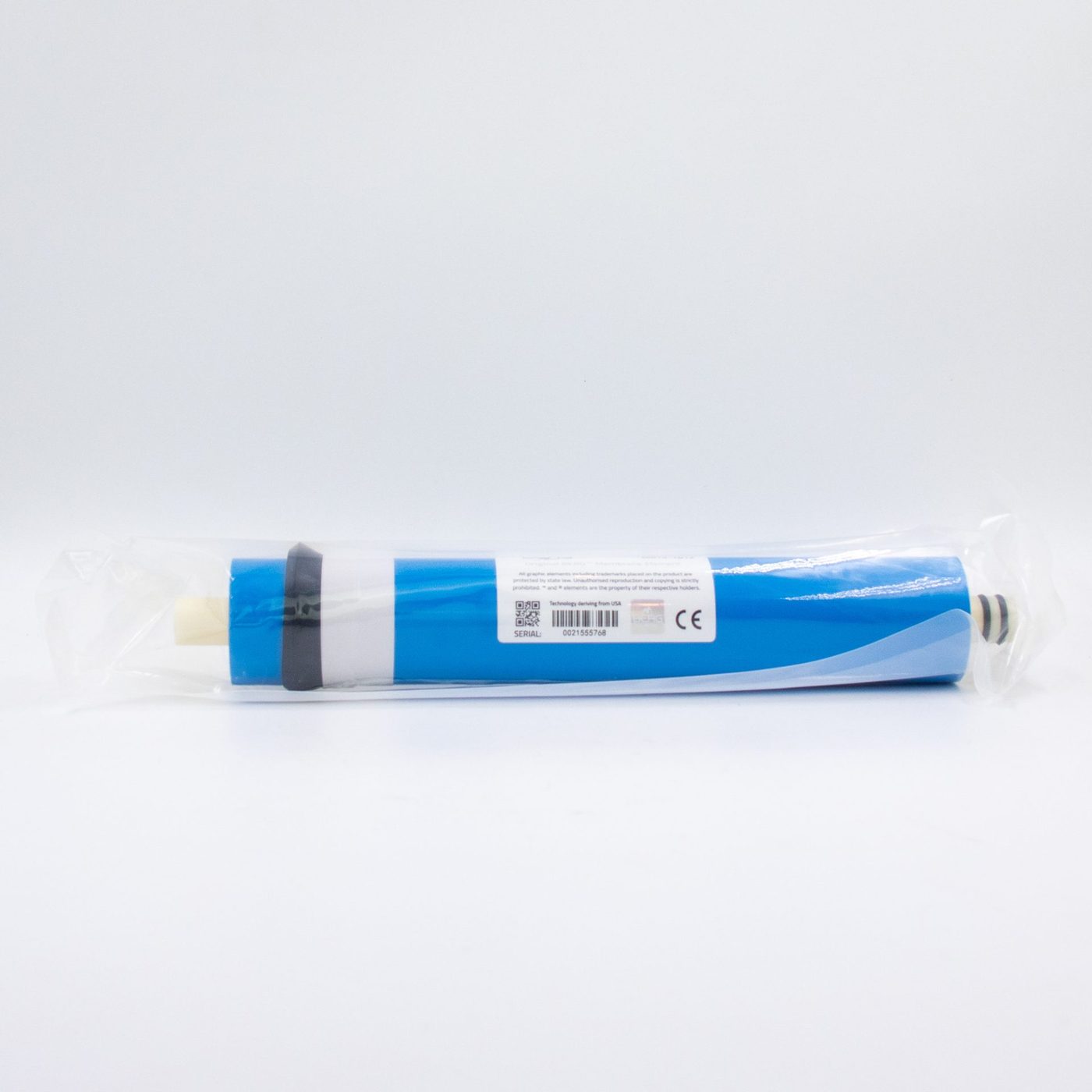
Osmosis filters have been available on the consumer market for over 20 years - before that the technology was used mainly by the military to produce drinking water. Modern units are compact, work efficiently and send considerably less waste water down the drain than earlier generations.
The reverse osmosis membrane
The heart of every system is the osmotic membrane: an arrangement of extremely fine filter membranes that holds back particles down to a size of 0.0005 micrometres. For comparison: a conventional mechanical filter manages 1 micrometre at best and therefore only catches sediment, suspended matter and pollen.
The membrane lets through practically nothing but pure water molecules - even individual ions, bacteria and viruses stay behind. In most households ordinary mains pressure is enough to drive it; where necessary, capacity can be increased with a separate pump. Because the membrane is sensitive to chlorine, an activated carbon filter is always fitted upstream of it.
With or without a storage tank
Many systems come with a storage tank: an air cushion inside the tank ensures the filtered water flows from the tap at good pressure. Higher-grade flow-through systems manage without a tank and filter directly as you draw water.
Is osmosis water “empty” water?
A common objection is that reverse osmosis strips valuable minerals out of the water. It is true that the membrane also holds back minerals. However, people cover by far the greater part of their mineral needs through food, not through drinking water. Osmosis water is also used in food production, incidentally - wineries around the world use osmosis filters to remove unwanted substances such as acetic acid from the finished product.
What does it cost to run?
At current water prices, the waste water produced during filtration costs only a few cents a month. Modern systems keep the ratio at roughly 1 litre of clean water to 4 litres of waste water, and less again with a check valve. If you like, you can use the waste water for flushing the toilet or for the garden.
Maintenance means regularly replacing the pre-filter cartridges (around €50 a year); the membrane itself lasts about 5 years and the system as a whole up to 15. For comparison: a jug filter, with cartridges changed as recommended, quickly comes to €180 a year - and filters far more coarsely.
Reverse osmosis is an investment that pays for itself through consistently clean drinking water and low running costs. We are happy to work out which system suits your household in a free consultation.